
It is important to be knowledgeable about extreme weather as well as know your resources.
For any current severe weather threats, visit our blog page on Severe Weather Updates to be informed of how the North Shore Health Department is providing aid.
PHEP Weather Threats
Bad Weather Shelters:
Cooling Centers
A cooling center is an air-conditioned public facility where people may go for relief and prevent heat-related illness (heatstroke/dehydration) during periods of extreme heat. All four North Shore libraries are designated cooling centers.
Warming Centers
A warming center is a heated public facility where people may go for relief and prevent cold-related injuries (hypothermia/frostbite) during dangerously cold conditions. All four North Shore libraries are designated warming centers.
Brown Deer Public Library
4301 W Brown Deer Rd, Brown Deer, WI 53223
(414) 357-0106
Shorewood Public Library
3920 N Murray Ave, Shorewood, WI 53211
(414) 847-2670
North Shore Public Library
6800 N Port Washington Rd, Glendale, WI 53217
(414) 351-3461
Whitefish Bay Public Library
5420 N Marlborough Dr, Whitefish Bay, WI 53217
(414) 964-4380
Call 211 for more information/resources around Wisconsin or click here to visit their website
211 Map of Bad Weather Shelters - Type in your zip code to find a shelter near you
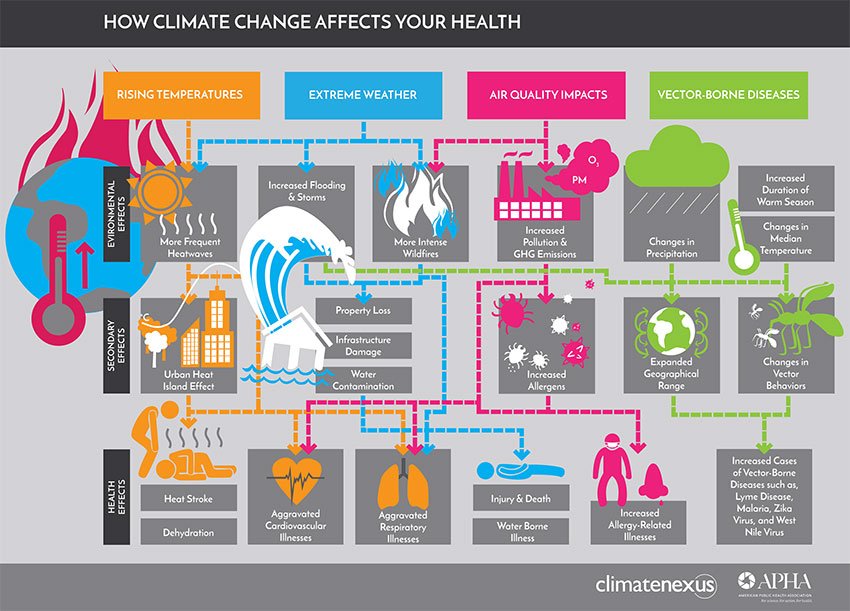
Understanding How Climate Change Causes Public Health Emergencies and Affects your Health:
Climate change threatens the fundamentals that sustain life and health (fresh water, food, clean air, shelter, and security) which threatens the health and possibly the very survival of the communities that local health departments serve. Learn more about the effects of climate change on health from the CDC here.
Extreme Heat Information:
The CDC defines extreme heat as “summertime temperatures that are substantially hotter and/or more humid than average for that location at that time of year. Climate change increases extreme heat exposure.
Rising temperatures increase the risk of heat-related illnesses, including heat stroke and heat exhaustion. It is important to know the early signs so you can protect yourself and those around you.
Muscle cramping
Headache
Nausea
Strong/Rapid pules
Dizziness
Death
Tips to reduce heat-related illness:
Stay Cool- wear lighter clothing, reduce sun exposure, and stay in air conditioned buildings as much as possible
Visit a cooling center if your home is too warm (see below for more information)
Stay Hydrated- increase water intake and never wait until you are thirsty to drink fluids
Limit Dehydrating Beverages- avoid alcohol and beverages containing large quantities of sugar
Check on At-Risk Individuals- twice a day
Wear lightweight, loose-fitting, light-colored clothing
Never leave children, disabled persons, or pets in a parked car (even briefly)